
General Anesthesia at the Dentist – Dental Treatment Under General Anesthesia
General anesthesia is a form of anesthesia in which the patient remains under general anesthesia throughout the entire dental procedure. The anesthesia is administered and monitored by an anesthesiologist while the dentist performs the planned treatment. Throughout the procedure, the patient’s breathing, heart rate, blood pressure, and oxygen saturation, among other vital signs, are monitored to ensure a high level of patient safety.
At Tandliv, we offer dental treatment under general anesthesia for patients for whom standard local anesthesia or other forms of pain management do not allow the treatment to be completed. This applies, for example, in cases of severe dental anxiety, extensive dental procedures, or special medical and functional needs.
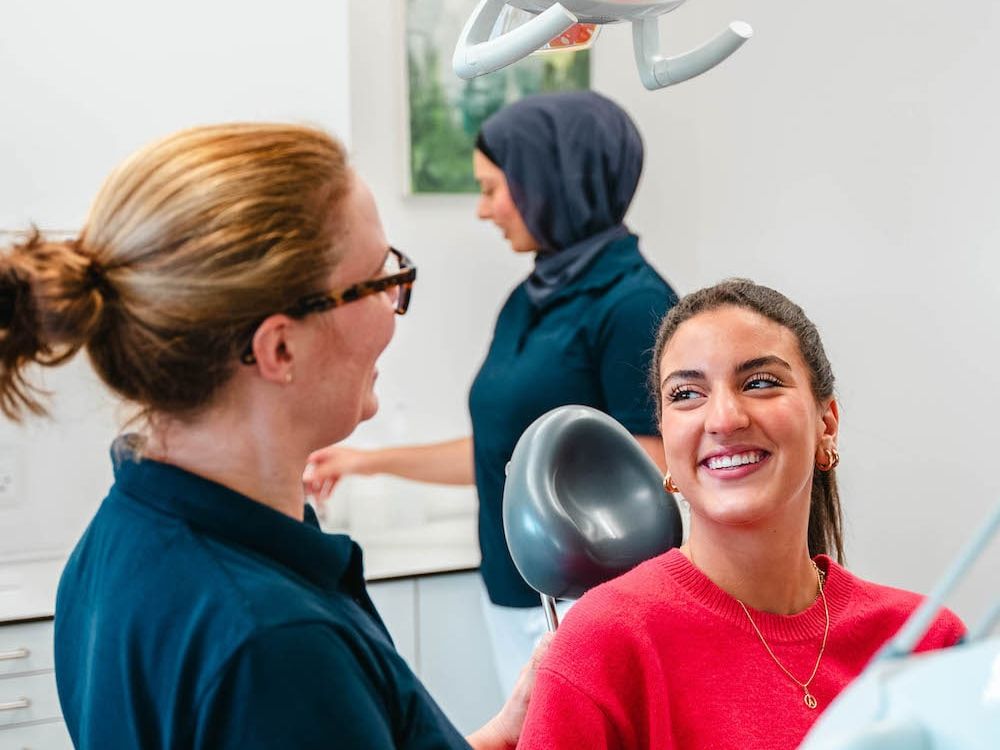
What is the difference between local anesthesia, sedation, and general anesthesia?
Local anesthesia, sedation, and general anesthesia are three different methods for managing pain and discomfort during dental treatment. The choice depends on the extent of the treatment, the patient’s health, and the individual situation.
Under local anesthesia , only the area where the dentist is working is numbed. You remain awake throughout the entire procedure but do not feel any pain. Local anesthesia is sufficient for the vast majority of dental procedures.
Sedation is a calming and pain-relieving treatment in which your level of consciousness is reduced, but you can still respond when spoken to. Sedation may be an option for some patients with severe dental anxiety, fear, or restlessness.
Under general anesthesia , you will be under general anesthesia throughout the entire procedure. The anesthesia is administered by an anesthesiologist, who is solely responsible for administering the anesthesia and monitoring you, while the dentist performs the procedure.
At Tandliv, we only recommend general anesthesia when standard local anesthesia or other forms of treatment do not allow us to perform necessary dental treatment in a safe and responsible manner.
When does a fear of the dentist or extensive dental treatment require general anesthesia?
General anesthesia is used for patients whose dental treatment cannot be performed using local anesthesia alone. The decision is always made following an individual assessment of both the patient’s treatment needs and overall health.
General anesthesia may be appropriate in the following cases:
- Severe dental anxiety, in which fear prevents necessary treatment.
- Comprehensive dental treatments involving multiple procedures performed during the same visit.
- A severe gag reflex that makes standard treatment impossible.
- Patients with special physical or cognitive needs.
- Surgical procedures for which general anesthesia is considered the most appropriate option.
General anesthesia is not a standard solution, but a treatment tool used when it offers the best and safest option for performing necessary dental treatment.

Dental Treatment Under General Anesthesia in Copenhagen and the Vestegnen Area
- Tandliv Vesterbro (Enghave Plads 6, 1st floor, 1670 Copenhagen V): Located right on Enghave Plads, just a few steps from the metro station. This department is the ideal choice for patients from Copenhagen V, Copenhagen K, Valby, Sydhavnen, and Frederiksberg. The direct metro connection ensures a peaceful and hassle-free route without car traffic.
- Tandliv Glostrup (Hovedvejen 150, 1st floor, 2600 Glostrup): Centrally located in Vestegnen with 2 hours of free parking right next to Netto. This eliminates any parking stress for your companion on the day of your appointment. The clinic in Glostrup is easily accessible by car or S-train for patients from Glostrup, Albertslund, Brøndby, Rødovre, Vallensbæk, Taastrup, Hvidovre, Ishøj, and Herlev.
No matter which department you choose, our dentists and anesthesia team will thoroughly review your treatment needs and overall health before your appointment, so you’ll be in completely safe hands throughout the entire recovery process.
What happens if necessary dental treatment is postponed?
When dental problems are not treated in a timely manner, it is NOT uncommon for them to worsen on their own. A small cavity can develop into a deep caries lesion, bacteria can penetrate the dental pulp and cause inflammation, and an infection can spread to the jawbone or surrounding tissues.
For patients with severe dental anxiety, this fear can therefore lead to an increased need for treatment over time. This often results in more extensive treatment, more visits to the dentist, and, in some cases, the loss of teeth that could otherwise have been saved.
If a fear of the dentist or other factors make it impossible to perform necessary dental treatment under local anesthesia, general anesthesia may make it possible to treat the problem before it progresses further.
How is dental treatment performed under general anesthesia?
Preliminary Study
Treatment begins with a thorough examination by the dentist. During this examination, your teeth, your treatment needs, and your overall health are assessed. Together, you’ll develop a treatment plan, and it will be determined whether general anesthesia is the right option.
Consultation with the anesthesiologist
Before the procedure, the anesthesiologist will review your health, any medical conditions, medications, and previous experiences with anesthesia with you. You will also receive information about fasting, medications, and what to expect on the day of the procedure.
Treatment Day
Once anesthesia has been administered, you will be continuously monitored throughout the procedure. The dentist will perform the planned treatment while the anesthesiologist monitors your vital signs.
Waking Up
After your treatment, you will be taken to the recovery room, where you will be monitored until you are awake and ready to be discharged.
Inspection
Depending on the extent of the treatment, a follow-up appointment will be scheduled to assess the healing process and address any questions you may have.
How are you monitored during general anesthesia?
Patient safety is a crucial part of any treatment performed under general anesthesia.
Throughout the treatment, the following are monitored, among other things:
- Heart rate.
- Blood pressure.
- Oxygen saturation.
- Breathing.
- Heartbeat.
Anesthesia is administered and monitored by a board-certified anesthesiologist, who is responsible for the anesthesia from start to finish. The dentist can therefore focus on the treatment itself, while the anesthesia team monitors all of the body’s vital functions.
Which patients cannot be treated under general anesthesia?
General anesthesia is not suitable for all patients.
During the initial evaluation, the dentist and the anesthesiologist review, among other things:
- Heart and circulatory diseases.
- Lung diseases.
- Previous complications related to anesthesia.
- Prescription medication.
- Allergies.
- Other health conditions.
Based on the overall assessment, a decision is made as to whether the procedure can be performed safely under general anesthesia or whether another form of treatment is more appropriate.
How do you prepare for dental treatment under general anesthesia?
To reduce the risk of complications, it is important to follow the instructions you receive before treatment.
Among other things, you'll receive guidance on:
- When to fast.
- Which medications you should take or stop taking.
- That you must be accompanied home after your treatment.
- You are not allowed to drive for the rest of the day.
You will always receive personalized instructions based on your health and your planned treatment.
What can you expect after dental treatment under general anesthesia?
Most patients experience fatigue during the first few hours after anesthesia. Some may also experience mild nausea or dizziness, which usually subsides quickly.
Depending on the treatment, there may be tenderness or swelling in the treated area, which can be managed with the pain reliever recommended by your dentist.
It is important that you follow the instructions you receive upon discharge and contact the clinic if you experience severe pain, persistent bleeding, or other unexpected symptoms.
Which dental procedures are most commonly performed under general anesthesia?
General anesthesia can be used for many different types of dental treatment when it is deemed the most appropriate option.
These may include, among other things:
- Wisdom tooth extraction.
- Surgical tooth extractions.
- Dental Implant Placement.
- Root canal treatments.
- Major dental reconstructions.
- Comprehensive treatment of multiple teeth in a single visit.
The treatment plan is always tailored to the individual patient's needs.
How much does dental treatment under general anesthesia cost?
The cost of dental treatment under general anesthesia depends on both the planned dental treatment and the duration of the anesthesia.
You will always receive a personalized cost estimate following the initial consultation, so you have a clear overview of the total cost before treatment begins.
If you'd like to split up your payment, Tandliv offers various financing options
Frequently Asked Questions About General Anesthesia at the Dentist's Office
Does dental treatment under general anesthesia hurt?
No. You will be under general anesthesia throughout the entire procedure and will not be aware of the procedure itself.
Can everyone receive general anesthesia?
No. Treatment always requires an individual assessment of your health.
How long does the anesthesia last?
It depends on the extent of the treatment. The anesthesia typically lasts as long as the dental treatment requires.
Do I need a companion?
Yes. After general anesthesia, you must not drive yourself or go home alone.
Is general anesthesia safe?
General anesthesia is a well-documented form of treatment when performed by a board-certified anesthesiologist and under continuous monitoring.
Can I eat before the treatment?
No. You must fast before the procedure, following the instructions you receive from the anesthesiologist.
Book a consultation about dental treatment under general anesthesia
If a fear of the dentist, the need for extensive treatment, or other factors make it difficult to undergo necessary dental treatment, an initial consultation can help determine whether general anesthesia is the right solution.
During the consultation, the dentist will review your treatment needs, answer your questions, and, together with the anesthesiologist, assess whether dental treatment under general anesthesia is the safest and most appropriate form of treatment for you.
Contact us and get advice
If you have any doubts or questions, don't hesitate to contact us.

- I look forward to meeting you in the clinic.
- Dentist
Born 1986, graduated in 2011 from Aarhus University at the Department of Dentistry and Oral Health. Mats also graduated in 2016 from the Royal College of Surgeons in London.
Mats is a member of:
- the professional society Europian Assocation for Osseointegration
- Danish Society for Oral Implantology
- Danish Society for Oral and Maxillofacial Surgery
- Howie Gluckmans Aesthetic Academy South Africa
- ITI and participate in studygroups
He has also taken courses in:
- PRF treatment by Joseph Choukroun
- Advanced Periodontal Surgery with Zuchelli at Stoma
Contact Tandliv for questions
Do you have questions about prices or the treatment process?
Contact Tandliv today and get answers to your questions.